
PHARA
PHased Array Radar for Atmospheric Research
A revolutionary radar that can observe the whole sky in a matter of seconds, for breakthroughs in climate and atmospheric research, more precise weather forecasts and further (radar) innovations.
“PHARA is a completely new
Alexander Yarovoy
instrument for investigation of
processes in the clouds and precipitation”
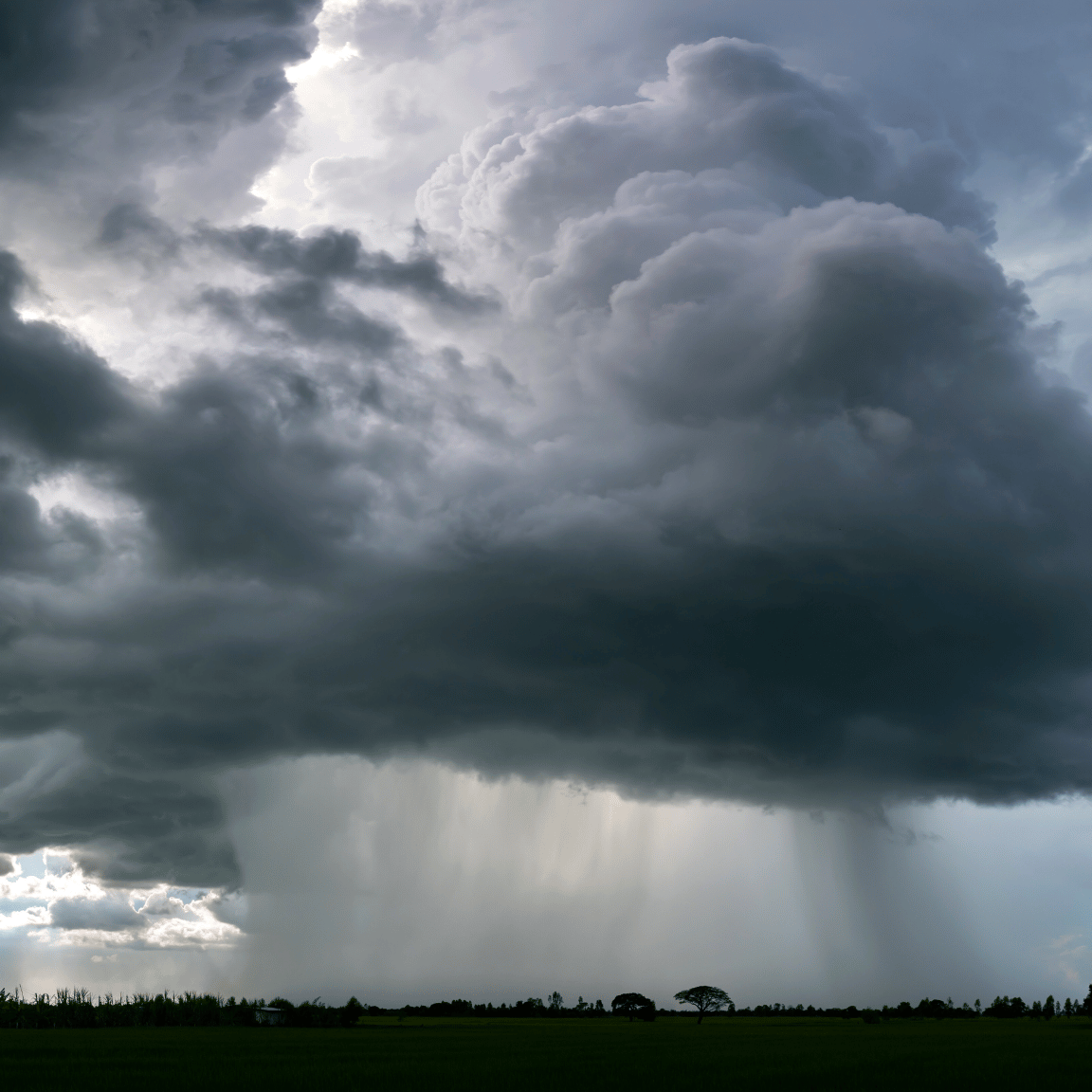
With PHARA we develop and realize a first-of-its-kind research infrastructure for atmospheric and weather sciences: a fast-scanning phased-array radar in Ku-band with polarization diversity. PHARA will enable to track continuously cloud volumes and measure microphysical processes directly with a minimum of assumptions. Furthermore, this radar will provide high-resolution precipitation observations to aid in climate-smart city planning and operational water management.
NWO published a video in which the PHARA members explain the importance and novelty of this new radar.
Watch Video ->
Team
The PHARA team is an outstanding multidisciplinary consortium with expertise both in remote sensing technology and in atmospheric science & water management.
Read more ->
Applications
The new radar will impact atmospheric sciences, weather forecasting, extreme weather warnings, hydrology, water management, and many other applications.
Read more ->
Science & Engineering
PHARA can track a specific sky volume with unprecedented resolution. By using Ku-band this radar will bridge the gap in observation between traditional precipitation radars and cloud profilers.
Read more ->
PHARA at European Microwave Week 2026: phased arrays, weather radar and two papers
From 4 to 9 October, PHARA researchers Alexander Yarovoy, Bart Smolders, Gabriele Federico, Yanki As…
PHARA at the Ruisdael Science Day 2026
On September 30, 2026, the Ruisdael Science Day took place in The Green Village in Delft.
PHARA Team Presents at ERAD 2026 in Belgrade
At the end of August, Marc Schleiss, Christine Unal and Linda Bogerd represented the PHARA team at E…